
- California EV sales stayed strong in Q3 2026: 19.1% of new-car sales statewide were zero-emission vehicles: 80,392 vehicles, including 68,811 battery-electrics.
- EV-only sales reached 16.3% in California versus 6.4% nationally, even with federal EV tax credits eliminated.
- The state’s new MyFirstEV program, launched in August, has already put 12,000 subsidized clean cars on the road: $3,500 off new EVs, $1,750 off used ones.
- California now has 224,438 EV charging ports, up 186% since 2021, but needs 478,000 by 2030 to support a projected 6.8 million EVs.
California EV sales in Q3 2026 held up at a level the rest of the country cannot match. Zero-emission vehicles made up 19.1% of new car sales statewide, 80,392 vehicles including 68,811 battery-electrics, 11,494 plug-in hybrids and 87 fuel-cell vehicles, the California Energy Commission the state announced on October 16.
The more striking comparison is against the national rate. New EV-only sales were 16.3% of California’s new-car market in the quarter, versus 6.4% nationally, roughly two and a half times the US average. That gap matters because it comes after the federal $7,500 new and $4,000 used EV tax credits were eliminated by 2025 legislation, removing the single biggest purchase incentive American buyers ever had.
Why California EV sales held up in Q3: the $270 million MyFirstEV bet
The state is not relying on momentum alone. In August 2026, California launched MyFirstEV, a purchase-incentive program administered by the California Air Resources Board and aimed at first-time buyers: $3,500 off a new EV with an MSRP up to $50,000, and $1,750 off a used EV up to $25,000. Two months in, the program has put 12,000 new clean cars on the road.
The mix inside the 80,392 quarterly ZEVs tells its own story. Battery-electrics dominated at 68,811, plug-in hybrids contributed 11,494, and fuel-cell vehicles accounted for just 87: a rounding error that confirms hydrogen’s near-total absence from the light-duty market even in the state that has promoted it most. California’s transition is, for all practical purposes, a battery story.
The funding structure is the interesting part. The state committed $135.5 million, matched dollar-for-dollar by 13 automakers, $270 million in total. For buyers weighing the switch, the long-run economics also depend on battery longevity; our review of how long EV batteries last, based on 2026 data, shows most packs now outlast the typical ownership period. And the market backdrop is favorable: BMW’s record EV sales in Europe in the same quarter underscore that demand is holding in markets with strong model availability.
Charging buildout: almost halfway to the 2030 target
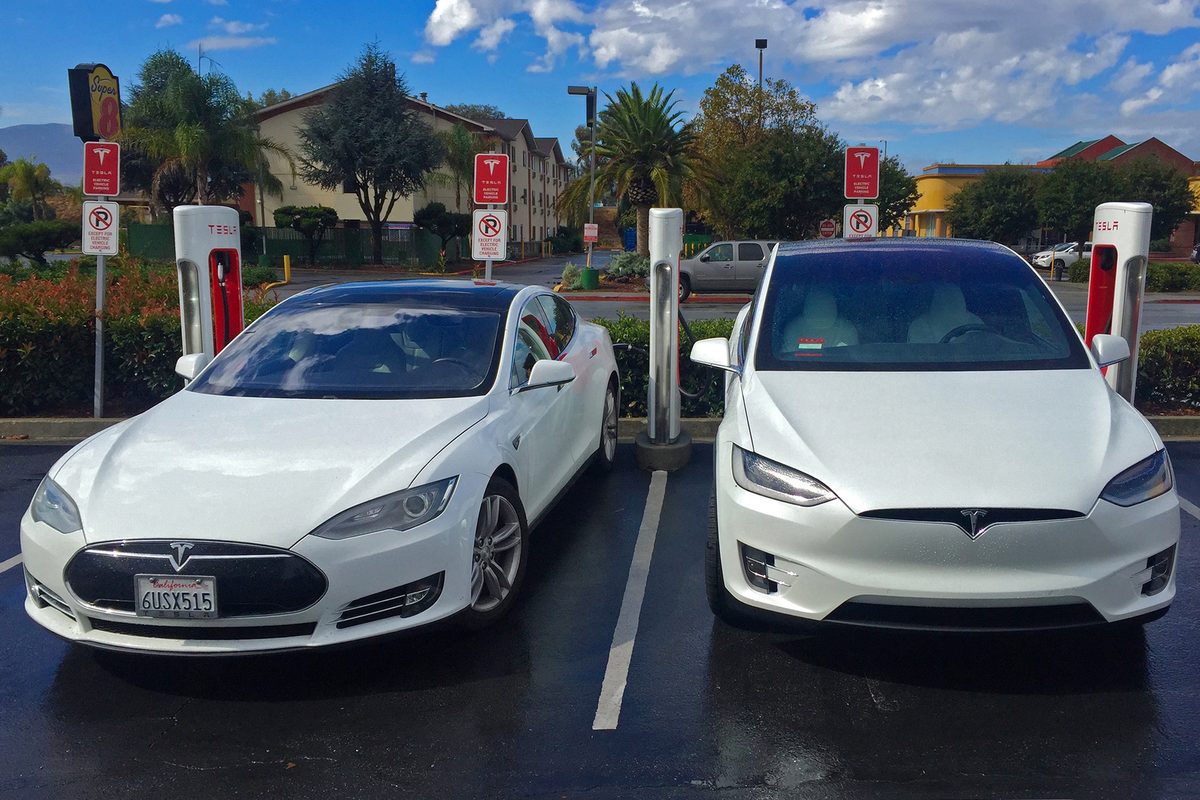
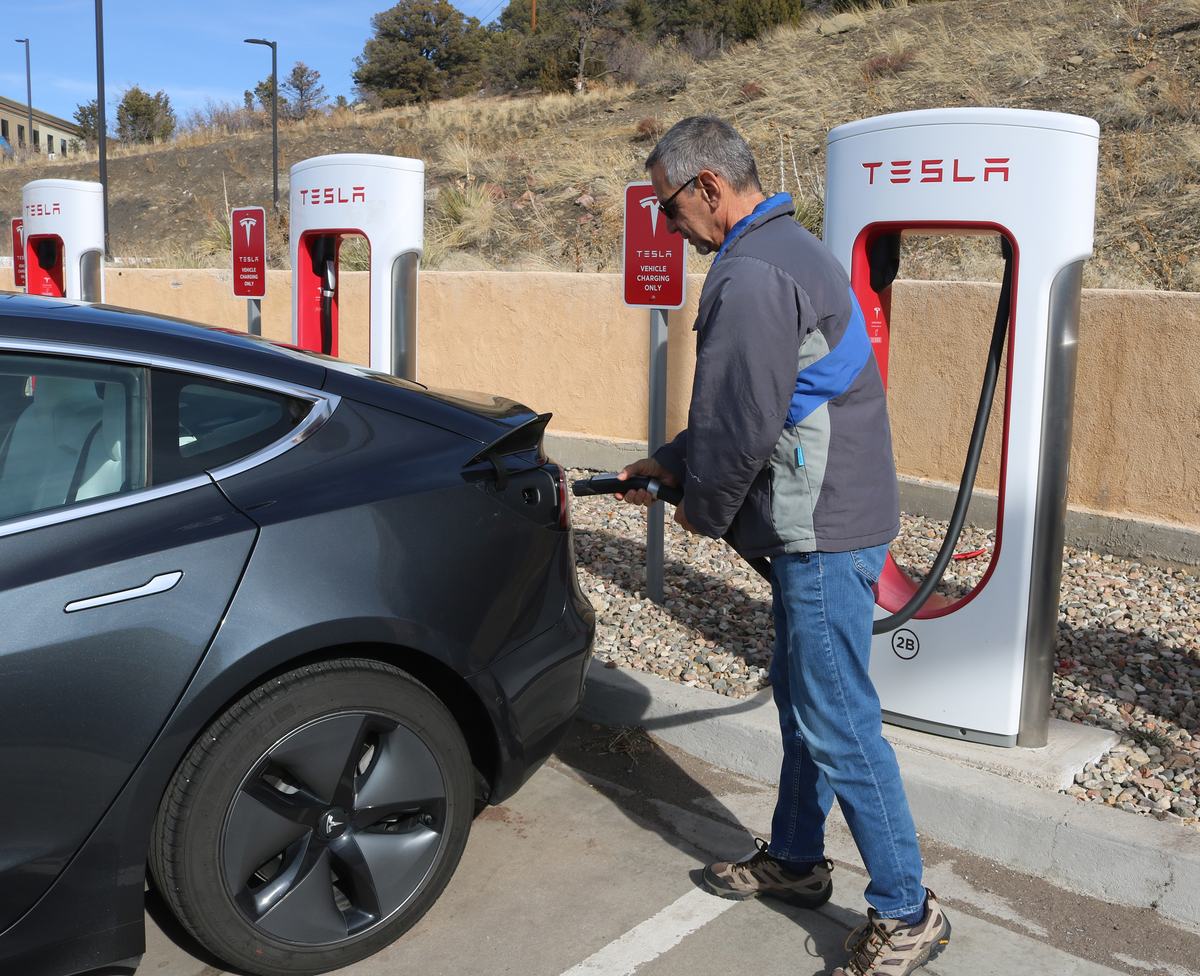
Infrastructure is keeping partial pace. California now has 224,438 EV charging ports at public and limited-access sites, up 186% since the CEC began tracking in 2021; DC fast-charger ports are up 221% over the same period. The CEC’s updated assessment under Assembly Bill 2127 says the state will need 478,000 ports to support an expected 6.8 million EVs in 2030, meaning California is “almost halfway there,” with just over four years to add the remaining 253,562.
That arithmetic implies a build rate the state has never sustained: roughly 63,000 net new ports a year through 2030, against a pace that added about 224,000 over the previous five years. The gap between the headline growth rate and the required run rate is the quiet risk in California’s numbers: the cars can arrive faster than the plugs, and when they do, the ownership experience degrades for everyone.
| Item | Figure |
|---|---|
| ZEV share of new-car sales (Q3 2026) | 19.1% (80,392 vehicles) |
| Battery-electrics | 68,811 |
| Plug-in hybrids | 11,494 |
| Fuel-cell vehicles | 87 |
| EV-only share, California vs national | 16.3% vs 6.4% |
| MyFirstEV discount, new / used | $3,500 / $1,750 |
| MyFirstEV cars delivered in two months | 12,000 |
| Charging ports now / needed by 2030 | 224,438 / 478,000 |
| Projected EVs in 2030 | 6.8 million |
| Required build rate | ~63,000 net new ports per year through 2030 |
$22,500 per car: the MyFirstEV math
California has become the counterweight to the national slump. The numbers make the divergence precise. The same September that saw North American EV sales fall 44% year on year left California holding 19.1% of its new-car market electric. One state is behaving like a mature European market; the country around it is not. That split is now the defining fact of American EV adoption.
The used-EV half of the program may be its most consequential feature. The $1,750 incentive for used EVs up to $25,000 gives first-time buyers priced out of the new-car market a foothold. It keeps older, cheaper battery cars in circulation on California roads rather than seeing them scrapped or exported out of state.
The harder question is the math behind MyFirstEV, and it cuts two ways. On the raw numbers, $270 million of public and industry money for 12,000 cars works out to about $22,500 of leverage per car delivered, three times the $7,500 federal credit it is meant to replace. That ratio will not survive a serious scale-up: backfilling the old federal credit for hundreds of thousands of California buyers a year at $22,500 a head is a budget line no state program can carry.
But the other direction is worth weighing too. California’s EV share has already slipped from a 25% peak in 2024 to about 18% of vehicle sales through September 30 of this year, according to the Reuters summary, the post-credit plateau. If a targeted state rebate can arrest that slide and hold the state near 19–20% while infrastructure catches up, it buys something Washington no longer provides: continuity. Whether rebates can fully replace a $7,500 federal credit is the wrong framing, in a sense. The right question is whether California’s state-level system can keep its market growing while the rest of the country waits for prices to fall on their own. This quarter, for the first time without federal help, the answer was yes.